Beyond IQ: understanding multiple intelligence
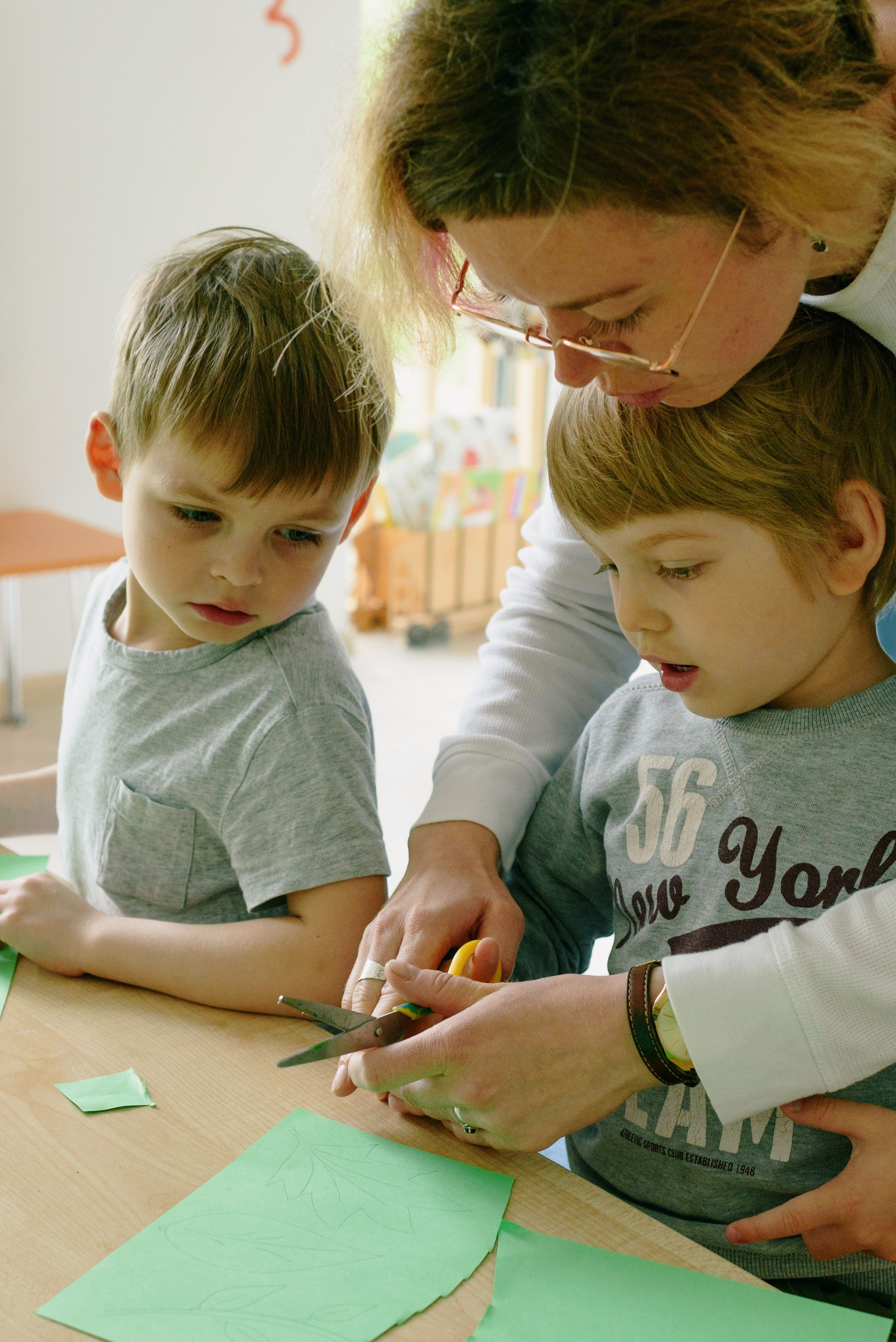
For a long time, intelligence was treated as one fixed quantity, summed up in a single IQ score. But anyone who has spent time with children knows how limiting that view is. One child sketches beautifully but finds spelling hard; another solves puzzles instantly but is shy in a group; a third leads naturally and reads people with ease.
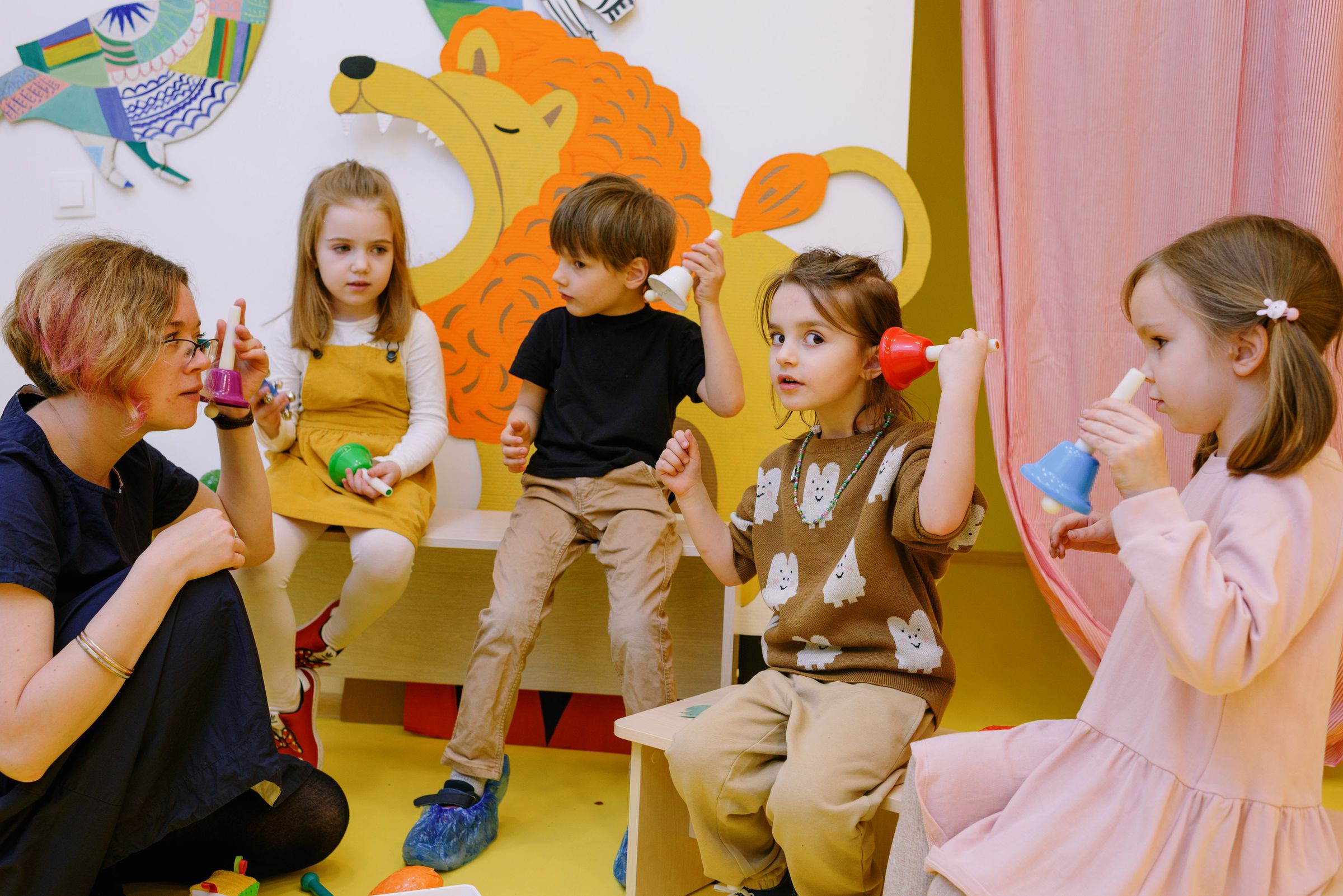
The idea of multiple intelligence suggests that intelligence shows up in many forms, linguistic, logical, spatial, musical, interpersonal and more. Rather than asking how intelligent a child is, it asks how a child is intelligent. That shift in question changes everything about how we support them.
When you map a child's profile across several kinds of intelligence, strengths that a marksheet would never notice suddenly become visible. A child who struggles with rote learning may have exceptional spatial or creative ability that, once recognised, can be channelled into confidence and achievement.
This is not about handing out labels or excusing weak areas. It is about giving every child a fair chance to be seen fully. When parents and teachers understand the whole shape of a child's mind, they can build on real strengths while patiently supporting the gaps, and help each child grow into the most capable version of themselves.